Estimating concrete accurately is one of the most important steps in any DIY concrete project. Whether you are planning to pour a concrete slab, driveway, patio, walkway, stairs, or foundation, a small mistake in estimation can lead to wasted money, material shortages, or structural problems.
This is where an online concrete cost calculator becomes extremely useful. With the right inputs, you can quickly calculate how much concrete you need, estimate costs, and plan your project with confidence.
In this detailed guide, you’ll learn how to estimate concrete for DIY projects using an online calculator, step by step. This article is designed for beginners and homeowners who want accurate results without professional tools.
Why Accurate Concrete Estimation Matters for DIY Projects
Concrete is not cheap, and it’s not easy to fix mistakes once it’s poured. Over-ordering wastes money, while under-ordering can delay your project and weaken the final result.
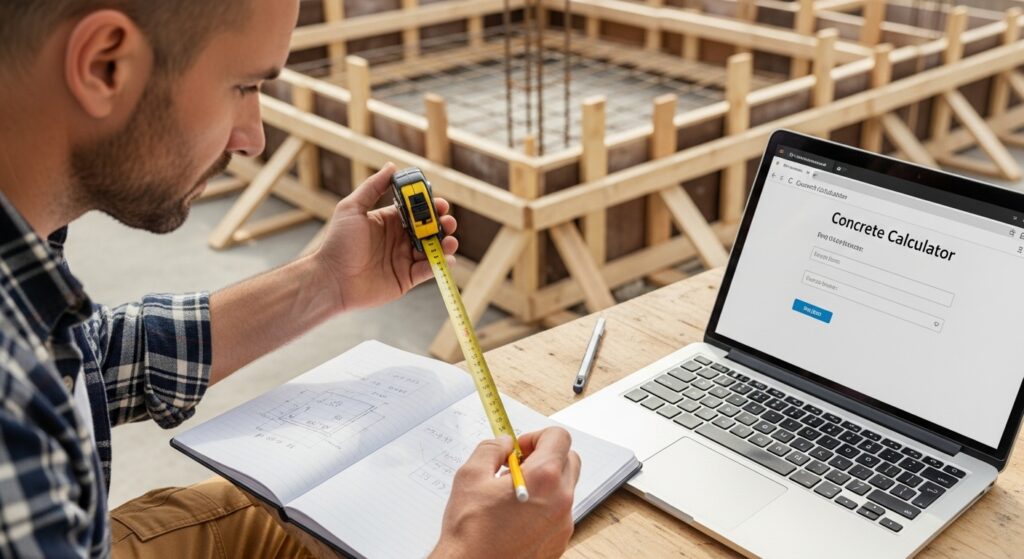
Accurate estimation helps you:
- Avoid unnecessary material costs
- Prevent project delays
- Ensure proper strength and durability
- Plan labor and delivery efficiently
- Reduce concrete waste
Using a concrete cost calculator online removes guesswork and gives you reliable results in minutes.
What Is an Online Concrete Calculator?
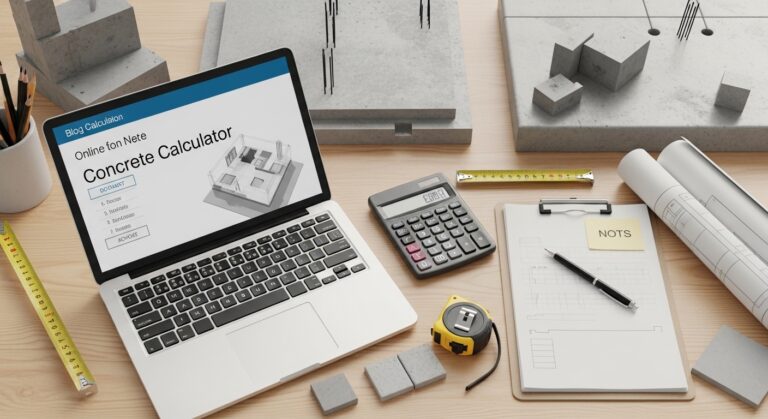
An online concrete calculator is a digital tool that calculates:
- Total concrete volume
- Required concrete bags or cubic yards
- Estimated cost based on current rates
By entering your project dimensions (length, width, thickness, or shape), the calculator instantly provides accurate estimates.
At concretecostcalculator.org, our calculator is designed for both DIY users and contractors, making concrete estimation simple and reliable.
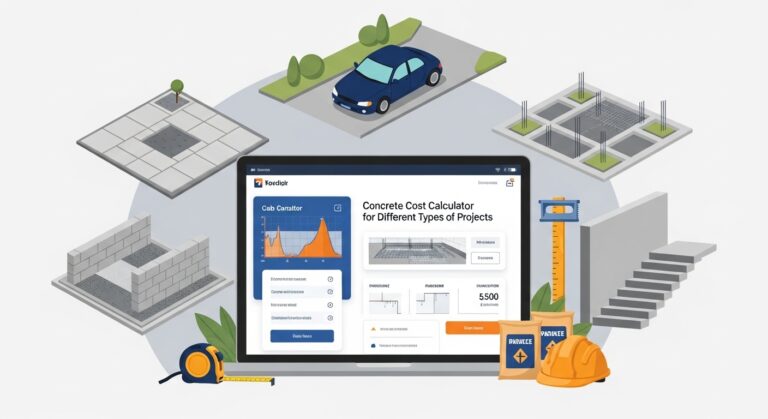
Common DIY Concrete Projects You Can Estimate
Online calculators can estimate concrete for many project types, including:
- Concrete slabs
- Driveways
- Patios
- Sidewalks and walkways
- Foundations and footings
- Concrete stairs
- Concrete walls
- Columns and piers
Each project requires slightly different inputs, but the calculation process remains simple.
How to Estimate Concrete Using an Online Calculator
Step 1: Identify Your Project Type
Before using a calculator, clearly define what you are building:
- Flat surface (slab, patio, driveway)
- Structural element (footing, wall, stairs)
Choosing the correct project type ensures accurate results.
Step 2: Measure the Area Carefully
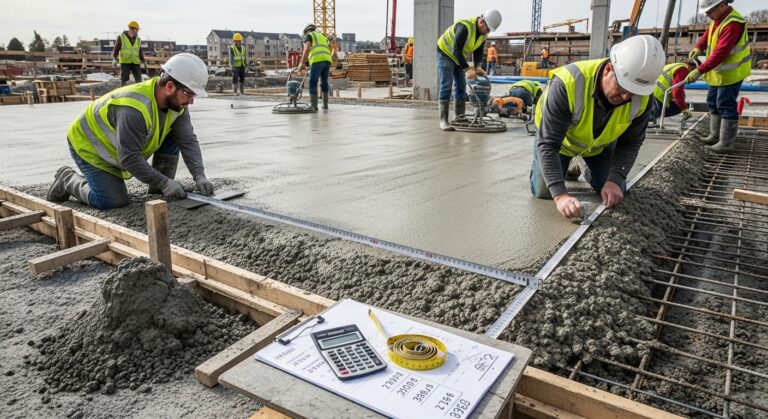
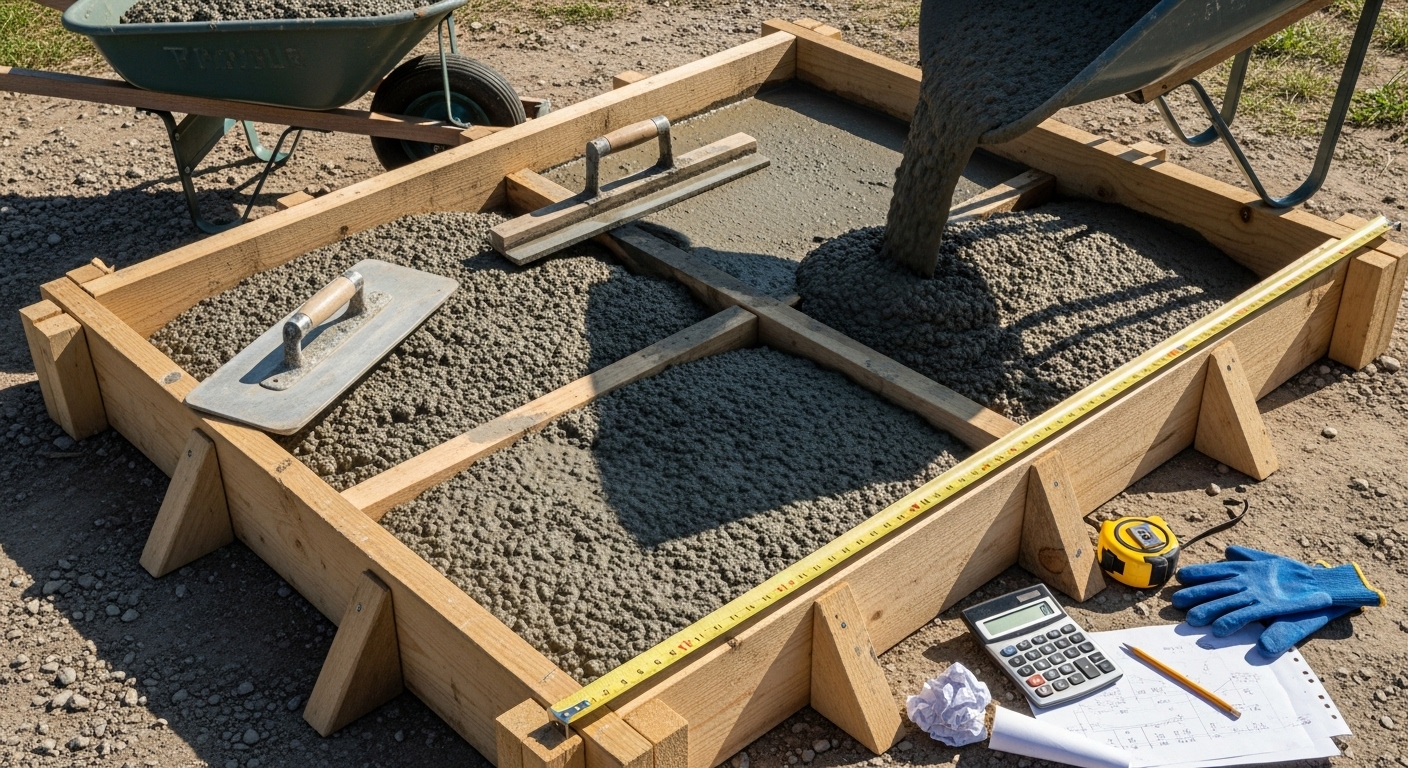
Use a measuring tape to collect accurate dimensions.
For slabs and flat surfaces, measure:
- Length (feet or meters)
- Width
- Thickness (inches)
For example:
- Length: 12 ft
- Width: 10 ft
- Thickness: 4 inches
Always double-check measurements before entering them into the calculator.
Step 3: Choose the Correct Units
Most online concrete calculators allow you to select:
- Imperial units (feet, inches, cubic yards)
- Metric units (meters, centimeters, cubic meters)
Make sure your measurements match the selected unit system to avoid errors.
Step 4: Enter Dimensions into the Concrete Calculator
Once measurements are ready:
- Enter length, width, and thickness
- Select project type
- Click “Calculate”
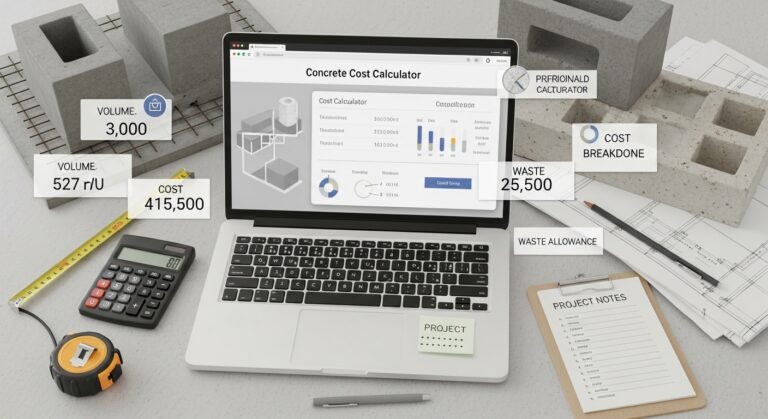
The calculator will instantly show:
- Concrete volume required
- Estimated cost
- Suggested waste allowance
Step 5: Add Waste Factor (Very Important)
Concrete projects usually need 5–10% extra concrete due to:
- Spillage
- Uneven ground
- Formwork leakage
- Measurement errors
A good concrete cost calculator automatically includes a waste factor, saving you from shortages.
Understanding Concrete Volume Calculations
Concrete volume is usually measured in:
- Cubic yards (USA)
- Cubic meters (international)
For reference:
- 1 cubic yard = 27 cubic feet
Online calculators perform these conversions automatically, eliminating manual math errors.
Estimating Concrete Bags vs Ready-Mix Concrete
Concrete Bags
Ideal for:
- Small DIY projects
- Repairs
- Walkways and small slabs
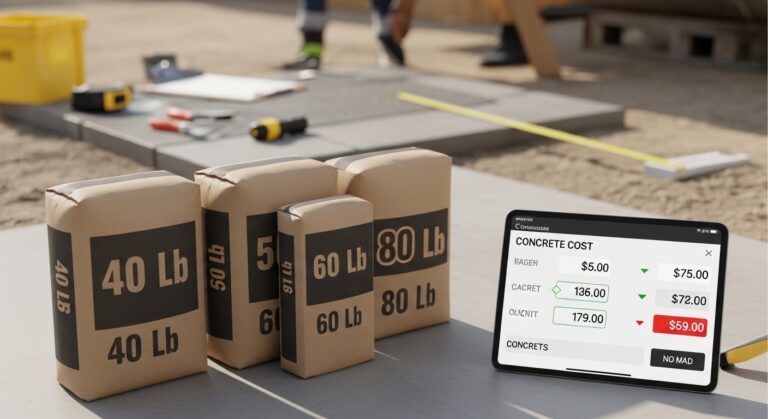
Common bag sizes:
- 40 lb
- 60 lb
- 80 lb
A calculator shows how many bags you need based on bag size.
Ready-Mix Concrete
Best for:
- Driveways
- Large slabs
- Foundations
Online concrete calculators help determine how many cubic yards to order from suppliers.
How Concrete Cost Is Calculated
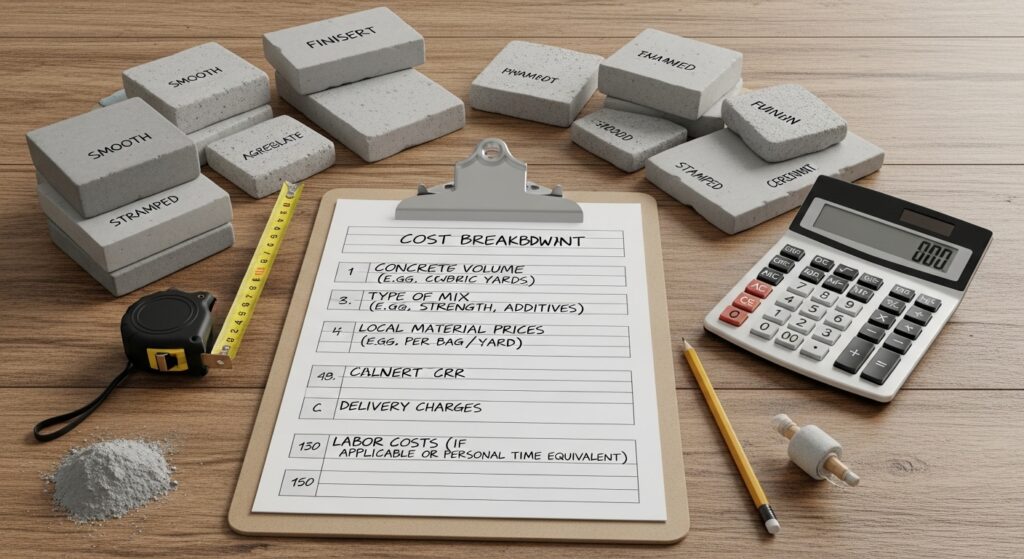
Concrete cost depends on several factors:
- Concrete volume
- Type of concrete mix
- Local material prices
- Delivery charges
- Labor (if included)
A concrete cost calculator estimates material cost based on average market rates, giving you a realistic budget idea.
Factors That Affect Your Concrete Estimate
Even with a calculator, costs can vary due to:
1. Concrete Thickness
Thicker slabs require more concrete and increase cost.
2. Concrete Strength (PSI)
Higher PSI concrete costs more but offers better durability.
3. Reinforcement
Rebar or wire mesh increases project cost.
4. Site Preparation
Excavation, grading, and base material affect total expenses.
5. Location
Concrete prices vary by region and supplier.
Benefits of Using an Online Concrete Cost Calculator
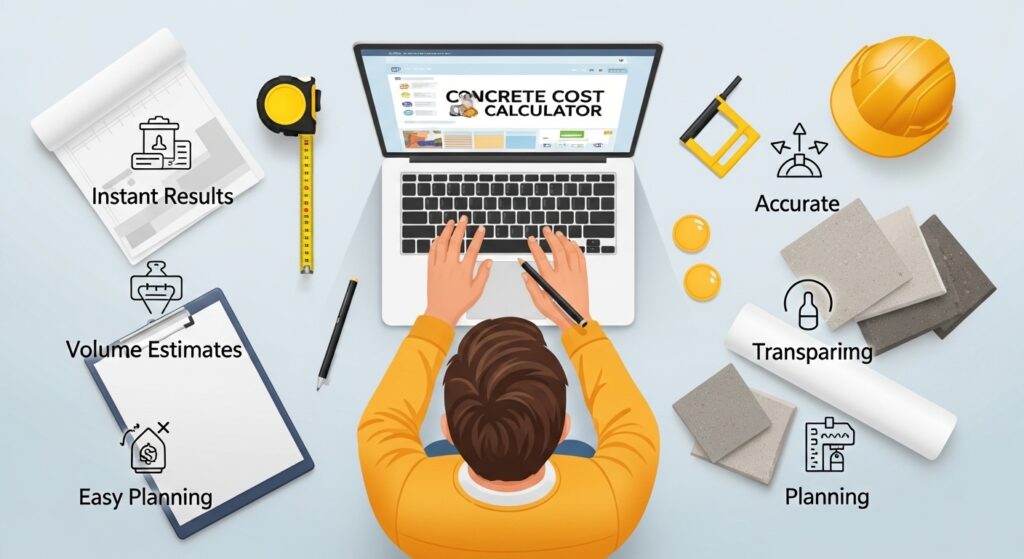
Using an online calculator provides:
- Instant results
- Accurate volume estimates
- Cost transparency
- Easy project planning
- Beginner-friendly calculations
For DIY users, it removes confusion and saves time.
Common Mistakes to Avoid When Estimating Concrete
Many DIYers make avoidable mistakes:
- Measuring incorrectly
- Ignoring waste allowance
- Using wrong thickness
- Forgetting slope or elevation changes
- Ordering exact volume without extra
A reliable online calculator helps prevent these issues.
Tips for DIY Concrete Projects
- Always measure twice
- Use forms to control concrete shape
- Order slightly more concrete than required
- Follow curing time recommendations
- Work in moderate weather conditions
Good planning leads to professional-quality results.
Why Use ConcreteCostCalculator.org?
Our website is built to help DIY users and professionals:
- Easy-to-use interface
- Accurate concrete calculations
- Supports multiple project types
- Saves time and money
- No technical knowledge required
Whether you are building a small patio or a large slab, our calculator simplifies the process.
FAQs about estimate concrete
Q1: How accurate is an online concrete calculator?
Ans: Very accurate when correct measurements are entered and a waste factor is included.
Q2: Can I use a concrete calculator for driveways?
Ans: Yes, calculators work perfectly for driveways, slabs, and patios.
Q3: How much extra concrete should I order?
Ans: It’s recommended to add 5–10% extra concrete.
Q4: Does the calculator include cost estimation?
Ans: Yes, most calculators provide estimated costs based on average prices.
Q5: Is it better to buy concrete bags or ready-mix?
Ans: Small projects work best with bags; large projects are better with ready-mix concrete.
Conclusion
Estimating concrete correctly is the foundation of any successful DIY concrete project. By using an online concrete cost calculator, you eliminate guesswork, save money, and avoid costly mistakes.
From slabs and patios to driveways and foundations, accurate calculations ensure your project runs smoothly from start to finish. With tools like Concrete Calculator even beginners can estimate concrete confidently and professionally.
If you are planning a DIY concrete project, start with accurate measurements, use a trusted calculator, and build with confidence.